Old Singer Sewing Manuals: A Comprehensive Guide
Delve into the rich history of Singer sewing machines! These manuals, dating back to 1851, showcase evolution, offering repair insights and sewing education for enthusiasts․
Historical Significance of Singer Manuals
Singer sewing machine manuals represent more than just instructions; they are tangible links to a pivotal era in domestic life and industrial innovation․ Emerging alongside the first commercially successful sewing machines in the mid-19th century, these manuals democratized sewing, empowering home sewers and transforming the textile industry․
They document the evolution of sewing technology, from treadle machines to early electric models, reflecting changing societal needs and manufacturing advancements․ These manuals also offer invaluable insights into historical sewing techniques and the standardization of machine operation, solidifying Singer’s legacy․
Early Singer Manuals (1850s-1900s)
The earliest Singer manuals, appearing from the 1850s through the 1900s, were often simple pamphlets accompanying the revolutionary new machines․ These initial guides primarily focused on basic operation, threading, and rudimentary maintenance, reflecting the novelty of the technology․
They frequently lacked detailed illustrations, relying heavily on textual descriptions․ As demand grew, manuals expanded, detailing more complex techniques and addressing common mechanical issues, mirroring Singer’s growing dominance in the market․
The Evolution of Manual Content
Singer manuals dramatically evolved alongside their machines․ Early pamphlets transitioned into more comprehensive books, reflecting increasing mechanical complexity․ The content shifted from basic operation to detailed troubleshooting, stitch guides, and fabric-specific advice․
Later manuals incorporated sections on decorative techniques and accessory usage․ This progression mirrored Singer’s innovation, empowering home sewers with knowledge and fostering a culture of independent machine maintenance and creative exploration․
Changes in Illustration Styles
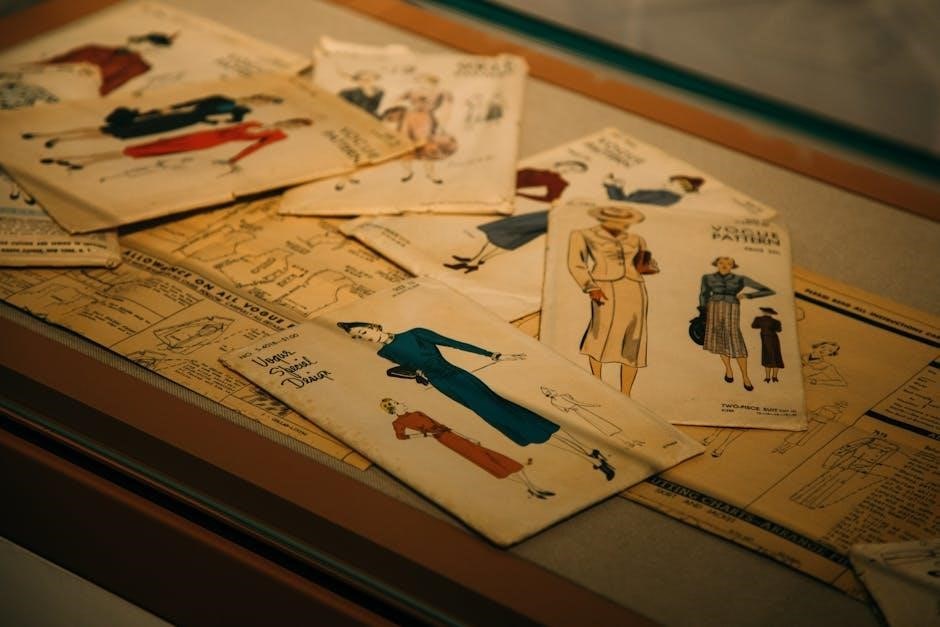
Early Singer manuals featured simple, often woodcut-style illustrations․ These focused on core mechanics, prioritizing clarity over artistic detail․ As printing technology advanced, manuals embraced more detailed line drawings and, eventually, photographs․
The shift reflected a desire for greater realism and user-friendliness․ Later manuals utilized color and exploded diagrams, enhancing comprehension of complex parts and procedures, ultimately aiding in self-repair and maintenance․
Initially, Singer manuals primarily focused on operation and maintenance․ However, as machines became more complex, dedicated troubleshooting sections emerged․ Early iterations listed common issues – threading problems, tension adjustments – with brief solutions․
These sections expanded over time, offering more detailed diagnostics and repair guidance․ This evolution empowered home sewers to resolve issues independently, reducing reliance on professional servicing and extending machine lifespan․
Shift from Mechanical to Electrical Machines – Manual Adaptations
The transition from hand-cranked and treadle machines to electric models necessitated significant manual revisions․ Early electric Singer manuals detailed new wiring diagrams, motor care, and speed control instructions․

Illustrations evolved to showcase electrical components, and troubleshooting expanded to include motor-related issues․ Manuals emphasized safety precautions regarding electricity, reflecting the increased complexity and potential hazards of these newer machines․
Identifying Different Singer Manual Types
Singer produced diverse manuals tailored to specific machine eras and features․ Treadle machine manuals focused on foot-power operation, while early electric versions introduced wiring and motor care․
Zigzag and decorative stitch manuals detailed new stitch patterns and foot attachments․ Identifying the model number on the machine is crucial for locating the correct, corresponding manual, ensuring accurate guidance for operation and repair․

Treadle Machine Manuals
Treadle machine manuals, prevalent in the late 19th and early 20th centuries, emphasized the mechanics of foot-powered operation․ They detailed belt adjustments, flywheel speed control, and proper posture for efficient sewing․
Illustrations showcased the treadle’s connection to the machine, and troubleshooting focused on belt slippage or tension issues․ These manuals represent a pivotal era before widespread electrification․
Electric Singer Manuals (Early 20th Century)
Early electric Singer manuals marked a significant shift, detailing motor care, electrical safety, and speed regulation via foot pedal control․ Diagrams illustrated wiring and the new electric motor components․
Troubleshooting expanded to include motor issues, bulb replacement, and understanding the electrical connections․ These manuals reflected the convenience and growing popularity of electric-powered sewing․
Zigzag and Decorative Stitch Machine Manuals
The introduction of zigzag and decorative stitch machines revolutionized sewing, and their manuals showcased a wider range of stitch patterns and applications․ Instructions detailed attaching various presser feet for specialized techniques․
These guides explained adjusting stitch width and length, creating decorative embellishments, and mastering techniques like darning and buttonholes․ Diagrams clearly illustrated stitch formations and their intended uses, inspiring creativity․
Where to Find Old Singer Sewing Manuals
Locating vintage Singer manuals requires diligent searching․ Online archives and databases, like the Internet Archive, offer digitized copies for free access․ Auction sites, such as eBay, and online marketplaces frequently list original manuals․
Antique shops and sewing machine dealers are also valuable resources, often possessing a collection of these historical documents․ Patience and persistence are key to uncovering these treasures for restoration and study․
Online Archives and Databases
Digital repositories are invaluable for accessing Singer manuals․ The Internet Archive stands out, providing a wealth of scanned documents available for download and viewing․ Singer’s official website also features a dedicated section for manuals and updates, encompassing both current and past models․
These online resources offer convenient access, preserving these historical texts and making them readily available to researchers, collectors, and sewing enthusiasts worldwide․
Auction Sites and Online Marketplaces
eBay and Etsy frequently host listings for vintage Singer manuals․ These platforms offer a diverse selection, ranging from individual manuals to complete sets, often at varying price points depending on rarity and condition․
Careful searching and comparison are crucial when utilizing these marketplaces․ Be sure to thoroughly review descriptions and images before purchasing to ensure authenticity and completeness․
Antique Shops and Sewing Machine Dealers
Local antique shops and specialized sewing machine dealers can be treasure troves for original Singer manuals․ These establishments often acquire manuals alongside vintage machines, providing a tangible connection to the past․
Expert dealers may offer valuable insights into a manual’s specific model compatibility and historical context․ Visiting in person allows for careful inspection of condition before purchase, ensuring value․
Decoding Singer Model Numbers in Manuals
Singer model numbers, prominently displayed in manuals, are crucial for identification and locating correct resources․ These numbers reveal production periods and machine features, aiding in accurate dating and parts sourcing․
Understanding the numbering system—like ‘15-91’ or ‘201-2’— unlocks a wealth of information․ Serial numbers, often alongside, pinpoint the exact year of manufacture, enhancing historical accuracy and repair efforts․
Understanding Serial Numbers and Production Dates
Singer serial numbers, found within manuals and on the machine itself, are key to determining production dates․ These unique identifiers allow enthusiasts to trace a machine’s history and understand its place within Singer’s evolution․
Decoding these numbers requires referencing historical charts, revealing the year—and sometimes even the month—of manufacture․ This knowledge is invaluable for collectors, restorers, and those seeking accurate repair information․
Using Model Numbers to Locate Specific Manuals
Singer model numbers are crucial for pinpointing the correct sewing machine manual․ Each model—like the 4452 or Tribute 150C—has a dedicated manual detailing its specific features and operation․
Online archives and the official Singer website allow searches using these numbers, ensuring you access the precise instructions for your machine․ Accurate identification prevents confusion and facilitates successful repairs or maintenance․
Common Issues Addressed in Singer Manuals
Old Singer manuals systematically address frequent sewing challenges․ They provide detailed solutions for threading problems, bobbin winding and insertion difficulties, and proper needle selection—vital for smooth operation․
Troubleshooting guides within these manuals empower users to diagnose and fix common issues independently, extending the life of their machines and avoiding costly repairs․ These resources are invaluable!
Threading Problems and Solutions
Singer manuals dedicate significant attention to threading, a common source of frustration for sewists․ Detailed diagrams illustrate the correct path for both upper and lower threads, crucial for stitch formation․
Solutions address issues like tangled thread, skipped stitches, and broken threads, often linked to improper threading․ Manuals emphasize tension adjustments and proper spool placement for optimal results, ensuring consistent sewing․
Bobbin Winding and Insertion Techniques
Old Singer manuals meticulously detail bobbin winding, a fundamental skill for successful sewing․ Illustrations guide users through winding thread evenly onto the bobbin, preventing uneven tension and stitch issues․
Insertion techniques vary by machine type – treadle versus electric – but manuals consistently emphasize correct bobbin placement and thread path․ Proper bobbin insertion is vital for consistent stitch quality and avoiding jams․
Needle Selection and Troubleshooting
Singer manuals provide detailed guidance on needle selection, matching needle type and size to fabric weight and type․ Charts illustrate appropriate choices for denim, silk, or general sewing, ensuring optimal stitch formation․
Troubleshooting sections address common needle-related problems like broken needles, skipped stitches, and thread shredding․ Manuals offer solutions, emphasizing proper insertion and timely replacement for consistent sewing performance․
Restoring and Preserving Old Singer Manuals
Preserving these historical documents requires gentle care․ Cleaning involves softly dusting covers and pages, avoiding harsh chemicals․ Repairing damaged manuals means carefully mending tears with archival tape and reinforcing weak spines․
Digital preservation, through scanning, creates backups and allows wider access․ Protecting manuals from light, humidity, and pests ensures their longevity, safeguarding a valuable resource for future generations of sewing enthusiasts․
Cleaning and Repairing Damaged Manuals
Gentle cleaning is paramount for fragile manuals․ Use a soft brush to remove dust, avoiding water or abrasive cleaners․ For torn pages, archival-quality, acid-free tape is essential; never use standard tape!
Loose spines can be carefully reinforced with bookbinding glue․ Prioritize minimal intervention, focusing on stabilization rather than complete restoration; Document all repairs to maintain the manual’s historical integrity․
Digital Preservation Techniques
Scanning is key to preserving Singer manuals․ Use a high-resolution scanner (300-600 DPI) to capture details accurately․ Save files as PDF/A, an archival format ensuring long-term accessibility․
Optical Character Recognition (OCR) makes manuals searchable․ Back up digital copies in multiple locations – cloud storage and external drives – to prevent data loss․ Consider community-based digitization projects for wider access!
Protecting Manuals from Further Deterioration
Handle manuals with clean, dry hands․ Store them in acid-free boxes or sleeves, away from direct sunlight and humidity․ Avoid using adhesive tapes, as they cause damage․ Gentle cleaning with a soft brush removes dust․
For fragile pages, consider encapsulation in Mylar․ Regular inspection helps identify issues early․ Proper storage significantly extends the lifespan of these valuable historical documents!
The Value of Old Singer Manuals to Collectors
Rarity and condition heavily influence a manual’s collector value․ Early editions, especially those for unique models, are highly sought after․ Excellent condition—minimal wear, intact covers—increases worth․
Manuals serve as historical artifacts, reflecting sewing’s evolution․ They’re also invaluable for machine repair and restoration․ Collectors appreciate their aesthetic appeal and informational content, preserving sewing history!
Rarity and Condition Factors
Manuals for less common Singer models, or those from limited production runs, command higher prices․ First editions and manuals specific to particular geographic regions are also rare․
Condition is paramount; pristine manuals with original covers are most valuable․ Damage like tears, watermarks, or missing pages significantly reduces worth․ A well-preserved manual is a treasure!
Manuals as Historical Artifacts
Old Singer manuals offer a unique glimpse into the past, reflecting societal norms and evolving sewing techniques․ They document the transition from hand-cranked machines to electric models, showcasing technological advancements․
These manuals aren’t just instructions; they’re cultural objects, revealing advertising styles and the role of women in the home during different eras․ They are tangible links to history!
Singer Manuals as a Resource for Repair
Old Singer manuals are invaluable for repairing vintage machines, providing detailed diagrams and troubleshooting guides․ They address common issues like threading problems, bobbin winding, and needle selection, offering solutions often unavailable elsewhere․
Even with modern machines, these manuals can aid in understanding fundamental mechanics, extending the lifespan of these durable sewing workhorses and preserving a legacy․
Using Manuals for Machine Maintenance
Singer manuals detail essential machine maintenance procedures, ensuring longevity and optimal performance․ They guide users through cleaning, oiling, and adjustments, preventing common issues before they arise․
Following these instructions helps maintain smooth operation, preserving the machine’s precision and reliability․ Regular maintenance, as outlined in the manuals, is key to a lasting sewing experience․
Diagnosing and Fixing Common Sewing Machine Problems
Old Singer manuals are invaluable for troubleshooting! They systematically address frequent issues like threading problems, bobbin winding difficulties, and needle selection concerns․
Detailed diagrams and clear explanations empower users to diagnose and resolve malfunctions independently, reducing repair costs and downtime․ These guides offer practical solutions, keeping vintage Singers operational for years to come․

The Role of Singer Manuals in Sewing Education
Singer manuals historically served as crucial sewing guides! They patiently taught basic techniques, from threading the machine to mastering various stitches․
Beyond instructions, they illuminated machine capabilities, empowering home sewers with confidence and skill․ These manuals democratized sewing knowledge, fostering a vibrant community of makers and enabling creative expression for generations․
Learning Basic Sewing Techniques
Old Singer manuals meticulously detailed fundamental sewing skills! They provided step-by-step guidance on threading, bobbin winding, and needle insertion – essential for beginners․
Illustrations clarified stitch formation and fabric handling, while troubleshooting sections addressed common issues․ These resources fostered self-sufficiency, allowing users to confidently tackle projects and develop their sewing expertise․
Understanding Machine Capabilities
Singer manuals expertly explained each machine’s unique features! Early guides showcased the versatility of treadle machines, while later editions detailed electric models and zigzag capabilities․
Users learned to utilize various presser feet and stitch settings, unlocking creative potential․ Manuals clarified appropriate fabric types and needle selections, maximizing machine performance and ensuring optimal sewing results for diverse projects․
Comparing Singer Manuals Across Different Eras
Early Singer manuals employed formal language and detailed mechanical diagrams․ Later editions, reflecting evolving technology, introduced simpler phrasing and illustrations for electric machines․
The scope expanded too; initial guides focused on basic operation, while mid-century manuals included troubleshooting and decorative stitch guides․ Terminology shifted, mirroring advancements in sewing techniques and machine functionalities, showcasing a clear evolution․
Changes in Language and Terminology
Early Singer manuals utilized Victorian-era phrasing, often verbose and formal․ As time progressed, language became more concise and direct, reflecting a broader audience․
Technical terms evolved alongside machine innovations – “shuttle” versus “bobbin,” for example․ Instructions shifted from prescriptive commands to helpful suggestions․ This linguistic transition mirrors societal changes and a growing emphasis on user-friendliness in technical documentation․
Evolution of Sewing Techniques Reflected in Manuals
Singer manuals chart the progression of sewing practices․ Early guides focused on basic seam construction, while later editions introduced techniques for utilizing new attachments and stitch patterns․
The rise of ready-to-wear clothing influenced manual content, emphasizing home alterations and creative embellishments․ Manuals documented the shift from hand-powered treadle machines to electric models, impacting speed and complexity of projects․
The Impact of Singer Manuals on the Sewing Industry

Singer manuals standardized sewing machine operation, fostering a wider adoption of home sewing․ By providing clear instructions, they empowered countless individuals to create and repair garments independently․
This accessibility democratized fashion and fueled a thriving home sewing market․ The detailed guides facilitated machine maintenance, extending product lifespans and establishing Singer as a trusted resource․
Standardization of Sewing Machine Operation
Early Singer manuals played a pivotal role in standardizing sewing machine operation․ Before their widespread distribution, techniques varied greatly․ Singer’s consistent documentation, detailing threading, bobbin winding, and stitch selection, created a unified approach․
This standardization simplified learning and repair, benefiting both users and technicians․ It established a common language around machine functionality, fostering industry-wide understanding and efficiency․
Empowering Home Sewers
Singer manuals profoundly empowered home sewers, democratizing access to garment construction and textile arts․ Previously reliant on professional seamstresses, individuals could now confidently tackle repairs and create custom clothing․
Detailed instructions and troubleshooting guides fostered self-sufficiency, enabling creativity and economic independence․ These manuals weren’t just technical documents; they were tools for liberation and skill-building within the domestic sphere․
Modern Digital Resources Based on Old Manuals
Old Singer manuals have spurred a wealth of modern digital resources․ Online forums and communities actively share scanned manuals, troubleshooting tips, and restoration advice, preserving knowledge․
Digitized versions offer convenient access, while tutorials build upon historical techniques․ Singer’s official archive provides current and past manuals, alongside warranty information, ensuring continued support for vintage machines and their users․
Online Forums and Communities
A vibrant online ecosystem supports Singer manual enthusiasts․ Dedicated forums and communities serve as hubs for sharing scanned manuals, identifying models, and exchanging repair advice․
Members collaboratively decode serial numbers, troubleshoot issues, and discuss restoration techniques․ These platforms foster a sense of community, preserving knowledge and assisting users in maintaining their vintage Singer machines, ensuring their longevity․
Digitized Manuals and Tutorials
Accessibility to old Singer manuals has expanded dramatically through digitization․ Numerous websites now host scanned copies, offering free downloads for various models and eras․
Alongside these, a wealth of video tutorials demonstrate threading, maintenance, and repair procedures, leveraging the information within these historical documents․ This blend of original manuals and modern guidance empowers users to restore and operate their machines effectively․
Singer’s Official Manual Archive and Support
Singer provides a dedicated online resource for manuals and updates, supporting both current and legacy machines․ Users can download complete user manuals, stitch guides, and machine updates directly from the official website․
This archive ensures continued access to vital information, even for older models, facilitating repairs and optimal performance․ Singer’s commitment to support extends beyond new purchases, valuing the longevity of their products․
Accessing Current and Past Manuals
Singer’s manuals, both contemporary and historical, are readily available online․ The official website hosts a comprehensive archive, allowing users to download PDFs of user guides, stitch selections, and essential machine updates․
This digital accessibility simplifies maintenance and troubleshooting for all Singer, Pfaff, and Husqvarna Viking models․ Finding the correct manual is streamlined, ensuring continued usability and preserving the legacy of these machines․
Warranty Information and Machine Updates
Singer provides accessible warranty details and crucial machine updates through their official support channels․ These resources ensure optimal performance and longevity for your sewing machine, covering a wide range of models – Singer, Pfaff, and Husqvarna Viking․
Regular updates address potential issues and enhance functionality, while warranty information clarifies coverage terms, safeguarding your investment and promoting continued sewing enjoyment․
The Future of Singer Manuals – Preservation and Access
Ongoing digitization efforts are vital for preserving Singer’s legacy, ensuring these invaluable resources remain accessible for future generations․ Community-based projects supplement official archives, fostering collaborative preservation․
The Internet Archive champions universal access to information, mirroring the need to safeguard these historical documents․ Continued investment in digital formats guarantees that Singer manuals endure, supporting repair, education, and historical study․
Ongoing Digitization Efforts
Recognizing the fragility of original manuals, extensive digitization projects are underway․ These initiatives aim to create high-resolution digital copies, preserving details often lost in physical deterioration․
Organizations like the Internet Archive support this mission, advocating for open access to knowledge․ Singer also provides downloadable manuals and updates on their official website, enhancing accessibility for machine owners and enthusiasts alike, securing their future․
Community-Based Preservation Projects
Enthusiasts and collectors actively contribute to preserving Singer manuals through collaborative efforts․ Online forums and communities facilitate the sharing of scans, transcriptions, and restoration techniques․
These projects often involve dedicated individuals meticulously cleaning, repairing, and digitally archiving manuals, ensuring their longevity․ This collective passion safeguards a vital piece of sewing history, making resources available for future generations of sewists and researchers․